


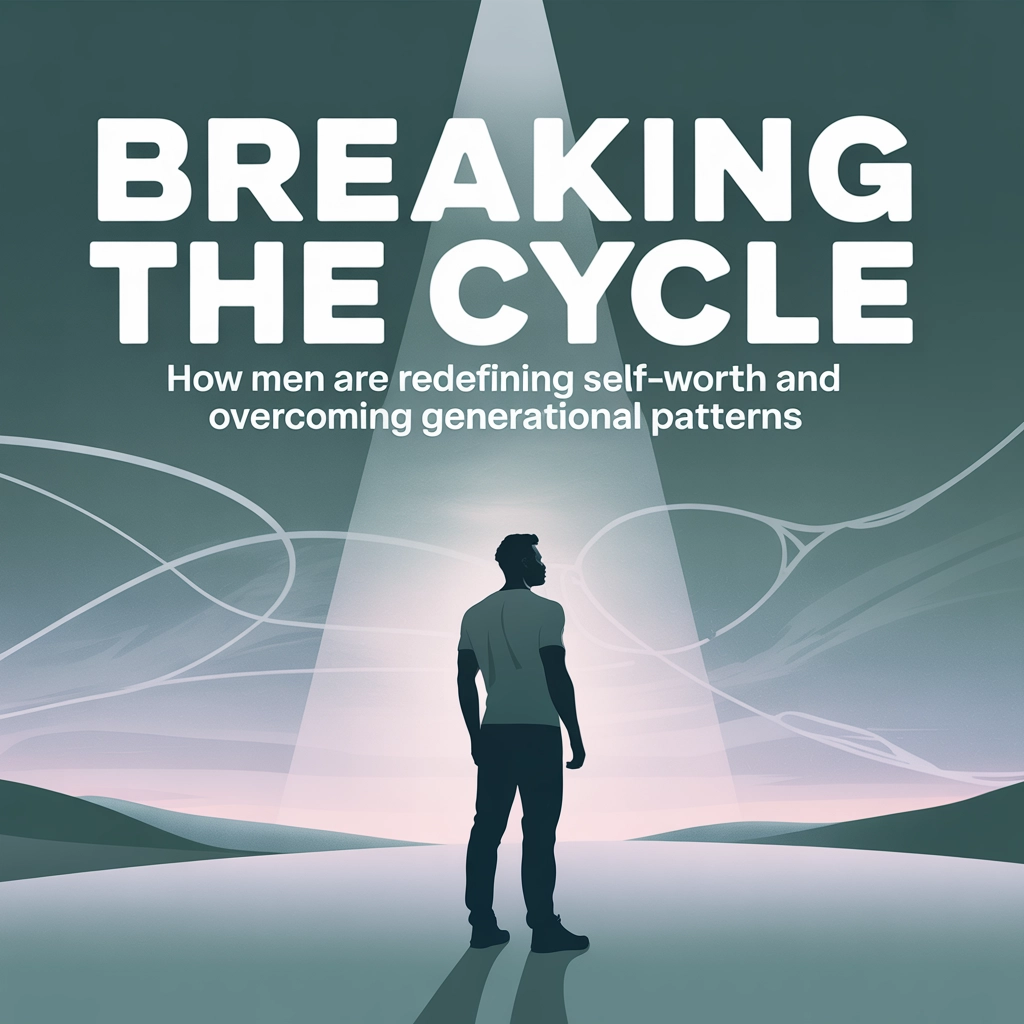
Breaking the Cycle: How Men Are Redefining Self-Worth and Overcoming Generational Patterns
Dismantling Old-School Masculinity
Let’s be real—most guys grow up learning what it means to “be a man” through schoolyard lessons, family expectations, and what’s on TV or online. We’re talking: don’t cry, don’t ask for help, always be strong, never show weakness. The message is clear: if you’re vulnerable, you’re somehow “less than.”
These expectations have created a loop: men hide their struggles, try to power through, and pretend everything’s cool (even when it isn’t). As a result, things like anxiety, burnout, and even depression often go unchecked. And if you ever find yourself comparing your actual life to the perfect, filtered versions on social media, you’re not alone. These online highlight reels can make anyone feel like they’re never measuring up—further fueling the belief that self-worth comes from job titles, bank accounts, or how “tough” you look to others.
But here’s the good news: a growing wave of men are questioning these old scripts, and they’re choosing something better.

Redefining What Self-Worth Really Means
What if being “man enough” had nothing to do with staying silent or only showing your best side? Today, more men are realizing that real strength comes from knowing yourself and honoring your own values, not just collecting external wins or approval.
This shift often starts with a simple question: Who am I if no one’s watching? If you take away the likes, the job title, and the need to impress, what really matters to you?
Redefining self-worth in this way is about trading people-pleasing for self-acceptance and perfectionism for self-compassion. It’s about being honest with yourself—not just about your strengths, but about your struggles, desires, and even your pain. Sure, that sounds heavy. But for many, it’s the only path to something better: genuine confidence and self-esteem that don’t crumble when life throws a punch.
Why Self-Compassion Is a Game-Changer
Here’s the deal: most of us are our own harshest critics. Mess up at work or in a relationship? It’s easy to spiral into the “I’m not good enough” mindset. That’s why self-compassion—treating yourself with the same understanding you’d give a friend—is a skill worth building. It doesn’t let you off the hook for mistakes, but it does replace shame with learning and resilience.
Men who embrace self-compassion typically report better mental health, stronger relationships, and more motivation to grow. It’s not self-indulgent—it’s self-preservation.
Breaking Generational Patterns
So many of the old rules about “being a man” are inherited. Maybe your dad was taught to be stoic, and he taught you to do the same. For some, particularly Black men and other marginalized groups, there’s added cultural pressure to be seen as strong or “unbreakable”—which can make it even harder to open up about feeling anxious, sad, or scared.
Unresolved childhood trauma, loss, or neglect can show up later in life as trust issues, anger, or constant stress. Breaking those cycles doesn’t happen overnight. It takes work: acknowledging what you went through, talking it out, and challenging assumptions that don’t serve you anymore.
Enter Therapy—and Why More Men Are Giving It a Shot
It used to be taboo (or at least uncommon) for men to talk openly about seeing a therapist. These days, that stigma is fading fast. Sitting with a trained professional is less about “fixing” broken men and more about equipping guys with tools to process emotions, examine old patterns, and make different choices.
Therapy isn’t the only route. Support groups, trusted friends, even journaling—there are lots of ways to break the silence and open up. The point is, reaching out is a mark of strength, not weakness.
“When we allow ourselves to ask for help, it doesn’t mean we’re failing. It means we’re choosing a different path—one that prioritizes growth over pride.”

Creating Space for Real Connection
If you’re changing the script, you’re not meant to do it alone. Community and brotherhood are crucial in reshaping how men feel about themselves. Finding spaces—online or off—where men can talk honestly about what’s going on (without fear of judgment) unlocks a new kind of strength.
- Peer Support: Whether it’s a group chat, a men’s circle, or just one solid friend, sharing the hard stuff takes courage but quickly builds connection.
- Role Models & Representation: Seeing other men model openness and vulnerability makes it easier to step up yourself. There’s power in not being the only one.
- Educational Resources: Courses, articles, and podcasts focused on emotional intelligence and mental wellness offer pathways to understanding and healing. (Check out HUMEN’s courses for some starting points!)
New Foundations for Self-Worth
Today, more men are drawing their sense of self-worth from qualities like kindness, honesty, creativity, and resilience—not just their ability to “win” or never show weakness. This isn’t always easy, especially with family or cultural expectations in play, but change usually starts with small steps:
- Naming your feelings—out loud or in a journal
- Practicing self-forgiveness when you fall short
- Celebrating progress (not just perfection)
- Setting boundaries and saying no
- Reaching out for support—even if it feels awkward at first
When men start to heal and redefine themselves in these ways, they don’t just help themselves—they start breaking generational chains that impact partners, kids, and communities.

Moving Forward: The Ripple Effect
This transformation isn’t about throwing out masculinity; it’s about expanding it. The more men embrace honesty, emotional intelligence, and vulnerability, the more they thrive—and the more permission they give others to do the same. The cycle gets broken not with one big moment, but with lots of small, brave choices to speak up, reach out, and grow.
If you’re just starting out on this journey, you’re in good company. Every man who chooses to get real, get support, and rewrite his story is creating a necessary blueprint—one his friends, brothers, sons, and communities can follow.
Curious to go deeper? Explore more stories, tools, and courses at HUMEN—and remember: you’re not alone in the work of building a new legacy.
If you want to read more about men’s mental health, community, and personal growth, check out our latest articles or message us to connect with the HUMEN brotherhood. Change starts here—one real conversation at a time.